Boise State · Student Newspaper
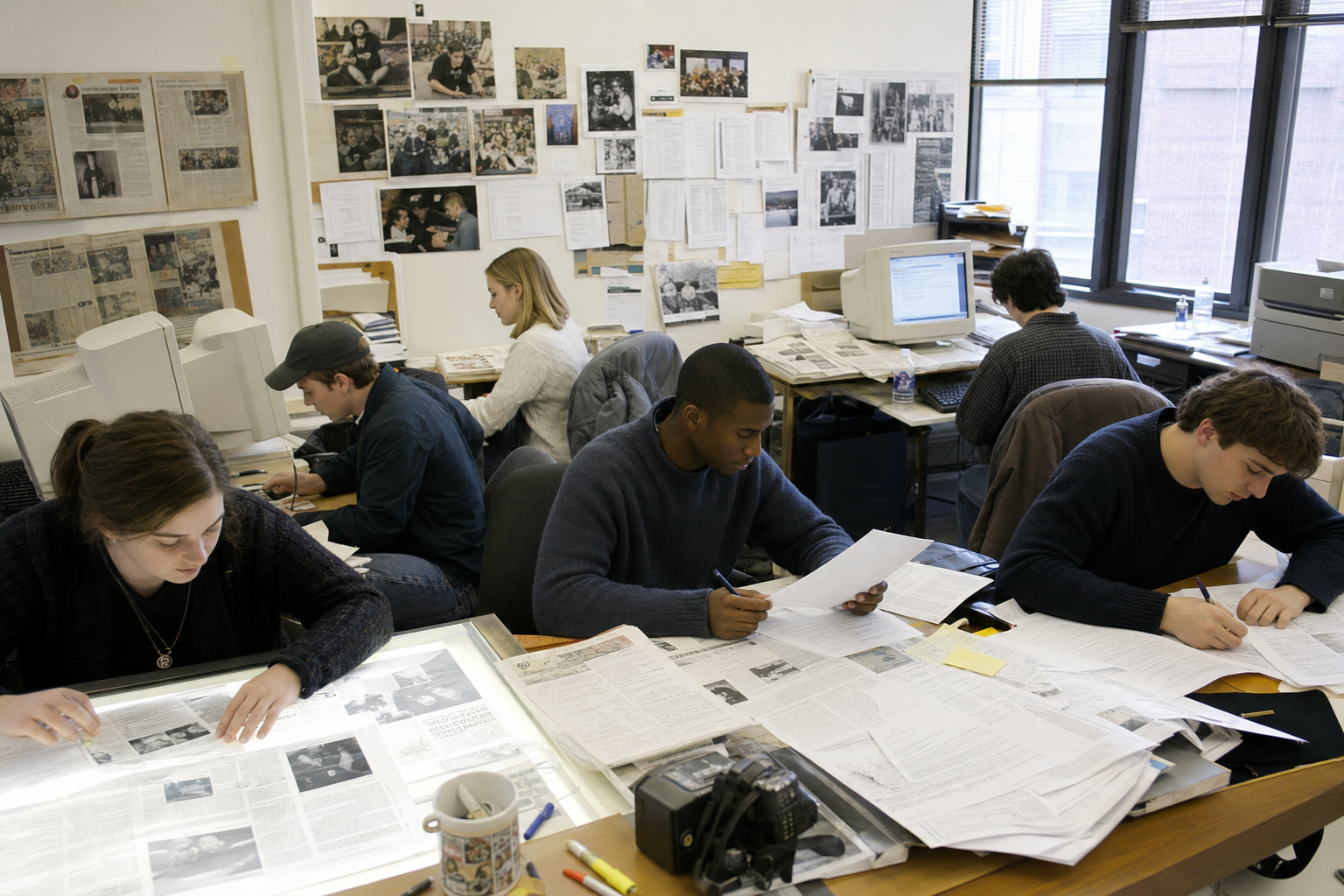
Live media collaboration
Designers and writers could work together in real time. The operating work around them still lived in spreadsheets and follow-up.

I spent more than twenty years working between structured systems that made work predictable and creative environments that gave people room to make something new. Cards grew from the belief that we should not have to choose between them.

Neither environment gave people both reliable coordination and room to exercise judgment.
The context changed. The coordination burden did not.
Designers and writers could work together in real time. The operating work around them still lived in spreadsheets and follow-up.
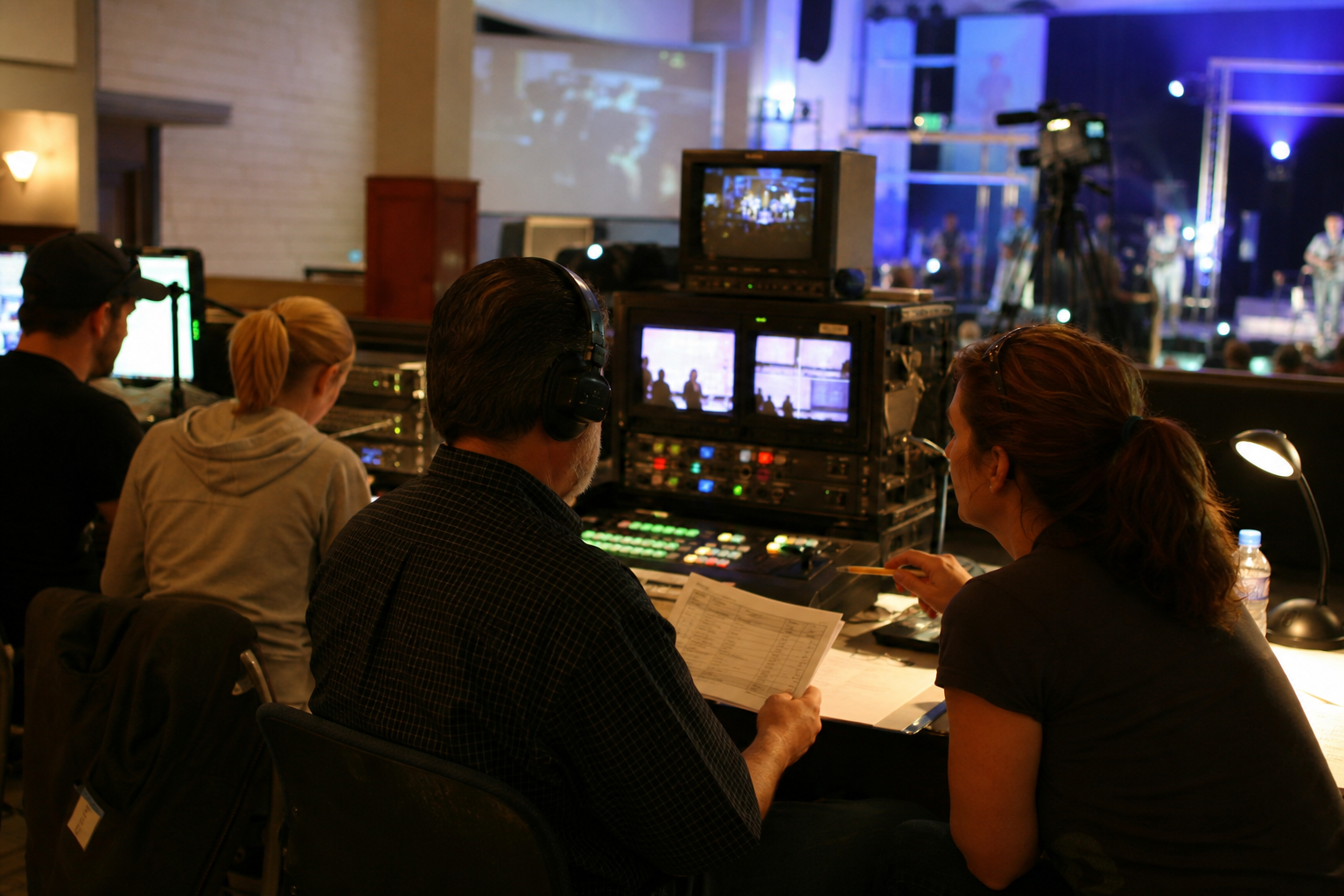
A simple system unlocked a team’s ability to perform at a high level without removing creative flexibility.

The business needed reliable project, capacity, time, and cash information. People had to stop working to provide it.

New tools multiplied, but the coordination between them remained a human responsibility.
I needed accurate information to protect the business and its employees. Obtaining it required people to interrupt the work they were hired to do and continually maintain the system.
“I was responsible for the health of the business and the people doing the work.”Both responsibilities mattered. The system made them compete.
One person made the failure of the surrounding system impossible to dismiss.

He was a remarkable designer. He could create beautiful, intricate illustrations that demanded patience, imagination, and an extraordinary command of his craft.
When the work called for creative judgment, his ability was never in question. He could see relationships, details, and possibilities that other people could not.
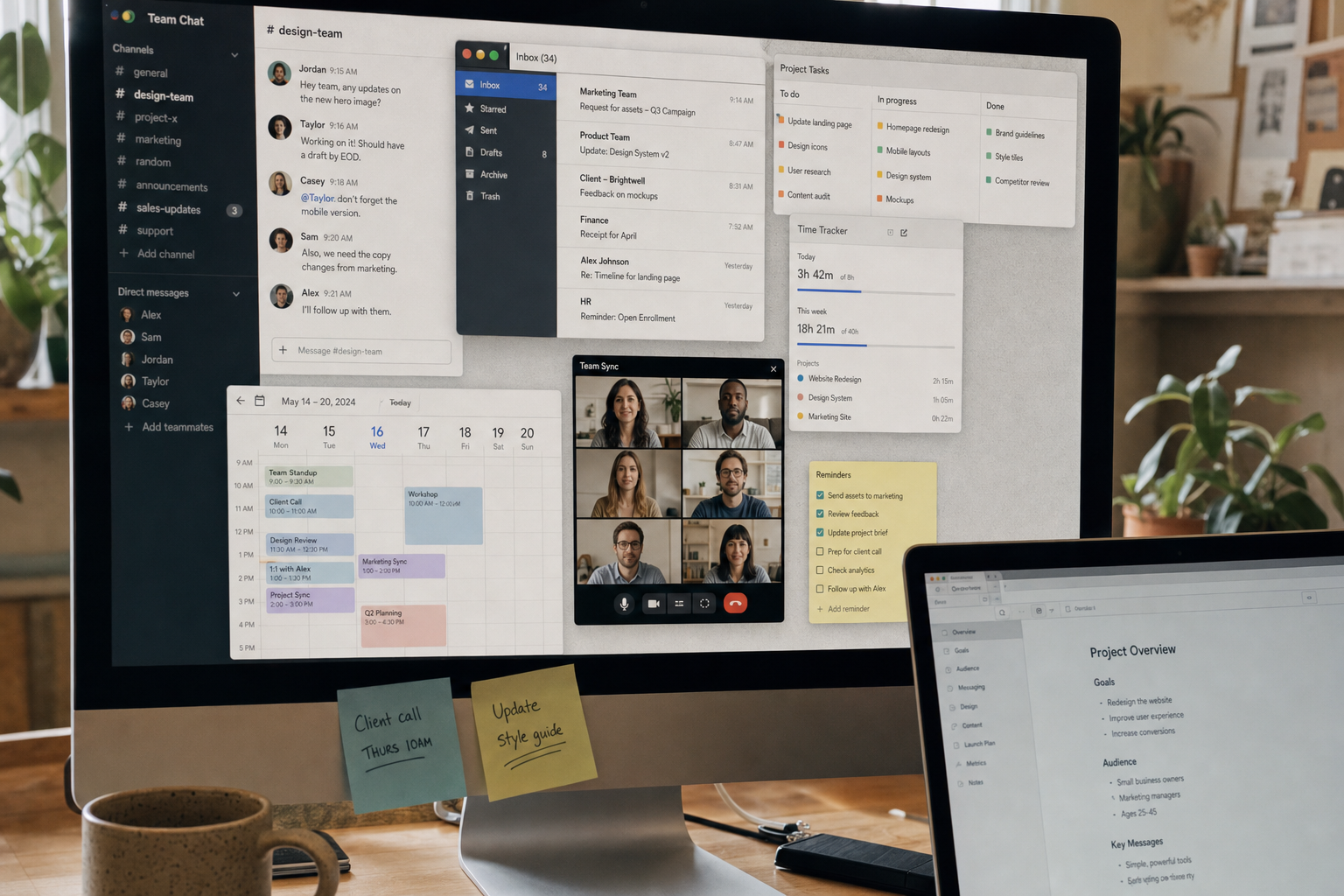
But the project system asked his brain to operate in an entirely different way. Tasks, messages, meetings, deadlines, status updates, and time entry were scattered across tools that each demanded his attention.
It became so overwhelming that I assigned a project manager to sit with him every week, walk through the system, close tasks, and reconstruct his time. We were spending one person’s time simply to help another person maintain the software.

The easier conclusion would have been that he needed to become better organized. But that ignored the obvious truth: he was already exceptionally capable at the work we had hired him to do.
I did not have a good option for empowering him. Still, the absence of a good option did not make me less responsible for finding one—for him, and for everyone whose potential is constrained by the systems surrounding their work.
At first, I wanted a better tool for one team. Then I recognized that nobody had solved the underlying problem—and that solving it could make life better for people far beyond one company.
Room to practice the craft and finish work during the workday.
Freedom to choose how to approach the work.
The shared reality people need to make good decisions.
A visible record when reality diverges from the plan.
One relevant thing without the rest of the system competing.
The freedom to leave work and return by choice.
Cards is still being shaped, but the purpose is not negotiable.
I want to build it alongside leaders and teams who believe clarity, trust, accountability, and human agency belong in the same system.